
Product details
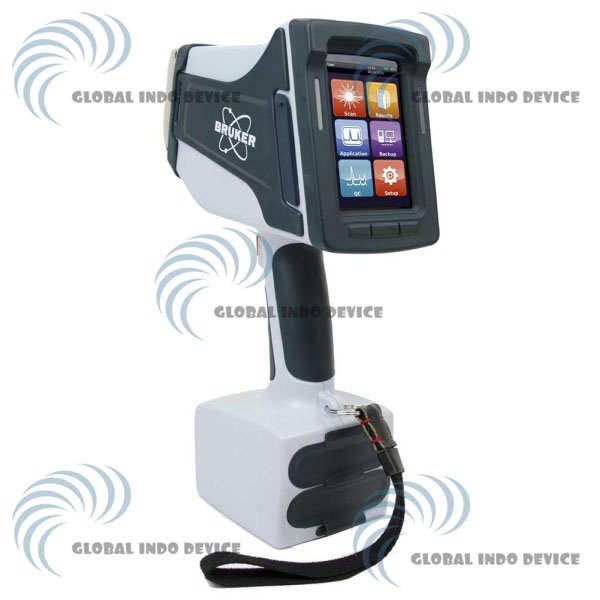
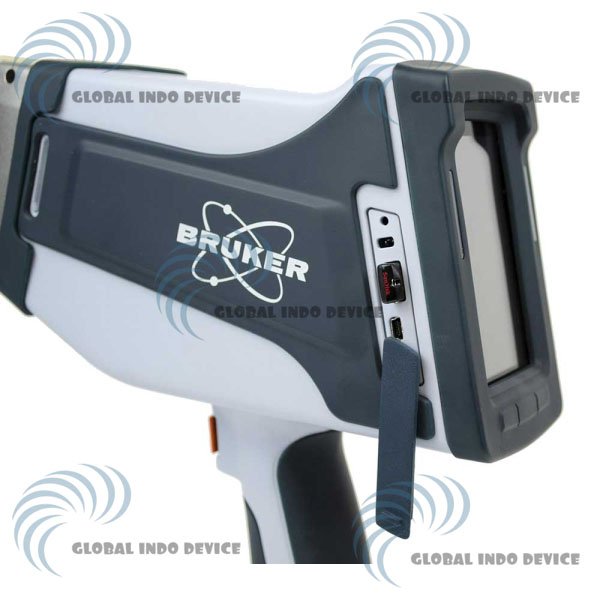
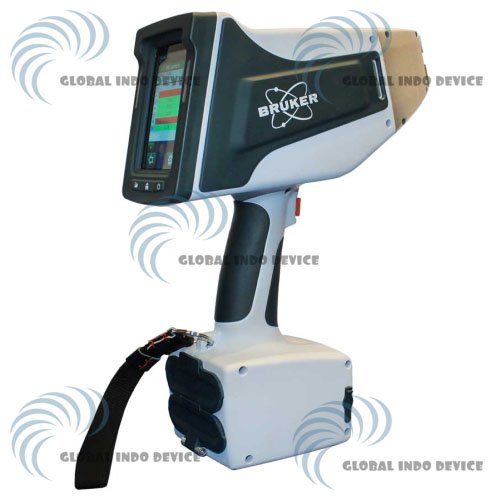
Bruker EOS 500 LIBS Analyzer
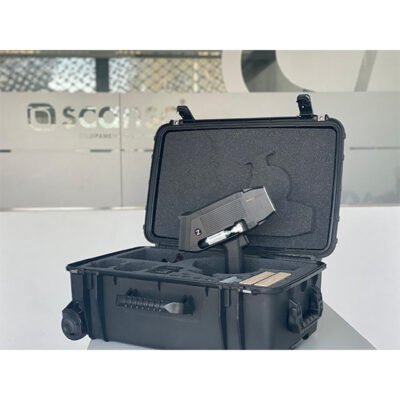
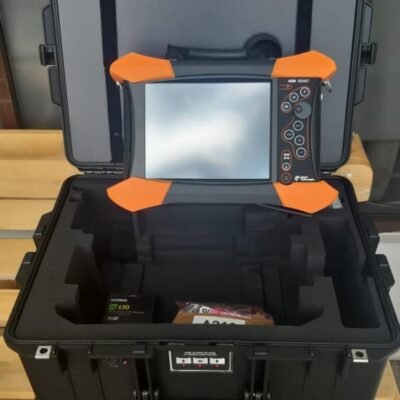
The Bruker EOS 500 LIBS Analyzer is a portable laser induced breakdown spectroscopy device designed for fast elemental analysis directly in the field. By combining advanced LIBS technology with a rugged handheld design, the EOS 500 delivers rapid and reliable metal identification for industrial, recycling, mining, and quality control applications.
Key Features of the Bruker EOS 500
Advanced LIBS Technology
The EOS 500 uses laser induced breakdown spectroscopy to determine elemental composition by analyzing the light emitted from a micro plasma created on the material surface. As a result, users can obtain immediate chemical information without sample preparation.
Fast and Accurate Elemental Analysis
Thanks to high speed data acquisition, the analyzer provides results in seconds. Moreover, it delivers accurate identification of light and heavy elements, supporting confident material verification in demanding environments.
Portable and Rugged Design
Designed for field use, the EOS 500 features a compact and durable housing. Therefore, it performs reliably in outdoor, industrial, and remote inspection locations.
Element Identification Capabilities
Broad Alloy Coverage
The analyzer supports identification of a wide range of metal alloys including aluminum, magnesium, titanium, stainless steel, copper, and nickel based materials. In addition, it helps distinguish similar alloy grades with high confidence.
Detection of Light Elements
Unlike some analytical methods, LIBS technology enables detection of light elements such as lithium, beryllium, boron, carbon, and magnesium. As a result, the EOS 500 is especially valuable for advanced alloy analysis.
Surface Analysis Efficiency
The system performs direct surface analysis with minimal material removal. Furthermore, this approach supports rapid screening while preserving component integrity.
Applications
Metal Recycling and Scrap Sorting
In recycling operations, the EOS 500 enables fast alloy sorting. Therefore, material value is maximized and processing efficiency is improved.
Mining and Exploration
The analyzer supports rapid elemental screening of ores and samples. Moreover, it allows informed decisions to be made directly at exploration sites.
Manufacturing and Quality Control
EOS 500 helps manufacturers verify raw materials and finished products. As a result, production errors and material mix ups are reduced.
Aerospace and Industrial Inspection
The device supports alloy verification in aerospace and heavy industry. In addition, it enhances safety by ensuring material compliance.
User Experience and Workflow Efficiency
Intuitive User Interface
The analyzer features a clear display and simple operating logic. Therefore, technicians can perform analysis with minimal training.
Rapid Results and Decision Making
Fast analysis times allow immediate decisions in the field. Moreover, this improves overall operational productivity.
Data Storage and Reporting
Analysis results can be stored and transferred for reporting and traceability. As a result, documentation requirements are easily supported.
Advantages
Trusted Bruker Engineering
Developed by Bruker, the EOS 500 reflects decades of expertise in analytical instrumentation. Therefore, users benefit from proven reliability and performance.
Enhanced Field Performance
The rugged design and stable measurements support consistent results in real world conditions. In addition, the analyzer is well suited for continuous field use.
Reduced Dependence on Laboratory Analysis
By delivering on site elemental analysis, the EOS 500 reduces the need for laboratory testing. As a result, time and operational costs are significantly reduced.
Specifications
General Information
Product Name Bruker EOS 500 LIBS Analyzer
Manufacturer Bruker
Technology Laser Induced Breakdown Spectroscopy LIBS
Device Type Portable Handheld Elemental Analyzer
Primary Function Rapid elemental and alloy analysis in the field
Analytical Technology
Spectroscopy Method Laser induced breakdown spectroscopy
Laser Type Integrated pulsed laser
Analysis Principle Elemental identification through plasma emission
Sample Preparation None required
Analysis Mode Direct surface analysis
Element Detection Capabilities
Detection of light elements including lithium beryllium boron carbon and magnesium
Detection of major alloying elements such as aluminum silicon titanium chromium nickel and copper
Supports identification of complex and similar alloy grades
Suitable for ferrous and non ferrous metals
Performance Characteristics
Fast analysis time with results delivered in seconds
High analytical accuracy for elemental composition
Stable measurements in field and industrial environments
Minimal surface impact during analysis
Alloy Identification
Supports aluminum alloys magnesium alloys titanium alloys
Stainless steel and carbon steel identification
Nickel based and cobalt based alloys
Copper brass and bronze alloys
User Interface and Operation
Color display with clear result visualization
Intuitive menu driven user interface
Simple operation suitable for non laboratory users
Minimal training required for effective use
Data Management and Connectivity
Internal storage for analysis results
Save and recall measurement data
Data export for reporting and traceability
Supports quality control documentation workflows
Physical Characteristics
Compact handheld design
Lightweight construction for extended use
Rugged industrial housing
Designed for both indoor and outdoor operation
Power and Battery
Rechargeable battery system
Supports extended field operation
Battery status indicator on display
Compatible with standard charging solutions
Environmental Operating Conditions
Designed for use in harsh environments
Operates across a wide temperature range
Resistant to dust vibration and minor moisture exposure
Suitable for industrial and outdoor field inspections
Applications
Metal recycling and scrap sorting
Mining and exploration activities
Manufacturing quality control
Aerospace and automotive material verification
General industrial inspection
Safety and Compliance
Designed to support safe field operation
Controlled laser emission for user safety
Complies with professional industrial inspection practices
System Package
EOS 500 LIBS Analyzer unit
Rechargeable battery and charger
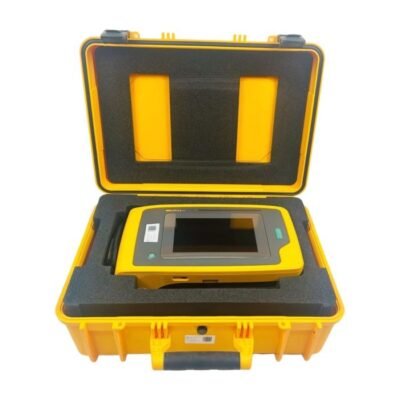
Protective carrying case
Operating documentation and manuals
Key Benefits
Rapid elemental analysis without laboratory testing
Detection of light elements not accessible by some methods
Portable and rugged design for field use
Improves decision making speed and operational efficiency
| Specifications | |
| Laser | Class 3B, 1064nm |
| Average Power | ~ 100mW |
| Power Density | >1GW/cm2 |
| Rep Rate | 5KHz |
| Elemental Range / Precision / LOD | See calibration sheet for details |
| Calibrations | Al, Ti, Mg alloys; optional Fe, Ni, Cu, Co alloys |
| Dimensions | 275mm x 315mm x95mm (Length x Height x Width), 2.4kg (1 battery) |
| Operating Environment | 10-40° C |
| Display | High brightness OLED display with touch screen. 48 x 80mm |
| Battery Pack | (2x) 7.2V, 6.8Ah, Li-Ion battery pack, hot-swap capable, 12hrs operation, >4,000 shots per charge |
| Data Storage / Transfer | 250 MB internal and 4 GB USB flash external |
| Analytical Modes | Assay and Grade ID, Fingerprint ID |

There are no reviews yet.